A Look at the Competitive Field Surrounding Glendale Roofing
In my 18 years working on residential and commercial roof projects across the Glendale area, I’ve learned that the market for roofing isn’t just about shingles or metal sheets. It’s a competition of reliability, heart-to-heart communication, craftsmanship, and a proven track record. When potential clients ask me to weigh Glendale’s roofing options, they’re not just buying a product; they’re buying peace of mind. This article blends field experience, client stories, and actionable guidance to help you navigate a bustling local market with confidence.
What this article covers and why it matters
- How the Glendale market is structured and where real value lies The key differentiators among contractors in terms of process, material choices, and warranty structures Real-world examples of successful roof projects and the lessons they taught Transparent advice to help you set expectations, budget wisely, and avoid common pitfalls Practical checklists, tables, and examples you can use in your next bidding or decision phase
Market Segments and Client Needs in Glendale
Glendale’s roofing market is a mosaic of segments. On one end you have single-family homes with a lean toward asphalt shingles and mid-market metal options. On the other end you’ll find commercial properties and multifamily dwellings demanding larger crews, broader permits, and more rigorous safety protocols. A fundamental truth in this market is that client needs are highly specific: structural integrity, weather resistance, energy efficiency, and long-term maintenance planning.
From a practical standpoint, clients fall into three broad groups: value seekers, performance enthusiasts, and sustainable-minded owners. Value seekers focus on upfront price and reasonable warranties. Performance enthusiasts demand rigorous quality standards, precise installation, and robust long-term protection for high wind zones. Sustainable-minded owners want materials with low embodied energy, good recyclability, and a plan that minimizes long-term cost of ownership. Understanding which group your project serves is the first step to delivering a proposal that resonates.
In practice, I begin with a discovery call that clarifies three things: the roof’s current condition, the homeowner’s goals for aesthetics and performance, and the project timeline. By aligning expectations early, we reduce change orders and keep projects moving smoothly. A recent client achieved a seamless transformation by focusing on a balanced mix of durable underlayment, high-wear shingles, and a color choice that reflected local climate patterns. The outcome wasn’t just a new roof; it was a long-term solution with predictable maintenance costs.
Historical Performance and Trends in Glendale Roofing
The Glendale market has evolved significantly in the last decade. Here are the trends I’ve observed over a series of projects:
- Materials evolve with climate data: Asphalt remains popular for its cost-to-performance ratio, but many homeowners are layering with impact-resistant shingles in wind-prone neighborhoods. Metal roofs are gaining traction for longevity and energy efficiency, especially on mid-sized commercial buildings and high-end homes. Insulation and ventilation have moved from afterthought to cornerstone: Proper attic venting and radiant barriers can dramatically affect indoor comfort and energy bills. Warranty structures are becoming more robust: Manufacturers increasingly offer longer wind warranties and better workmanship guarantees when the installer is licensed and properly trained. Local permitting and inspection practices grew more rigorous post-2020: This means planning and permitting should be allocated ample time in the project schedule.
A practical takeaway: a well-chosen system, installed by a competent team, reduces callbacks and increases overall homeowner satisfaction. It’s about aligning the product with the climate, the building’s structure, and the client’s long-term plans.
Comparative Analysis of Competitors
Here is a concise look at the major competitive dimensions you’ll encounter in Glendale. The table below highlights typical strengths and potential drawbacks you’ll want to weigh during a bidding process.
| Competitor Type | Strengths | Potential Drawbacks | Ideal For | |---|---|---|---| | Local family-owned firms | Personal relationships, quick responsiveness, flexible scheduling | Smaller crews; limited materials; variable price consistency | Small to mid-size projects, high trust needs | | Large regional contractors | Scale, standardized processes, broad warranties | Corporate bureaucracy; slower communication | Large homes, multi-unit buildings, complex projects | | Specialty metal roofing specialists | Longevity, energy efficiency, modern aesthetics | Higher upfront cost; specialty installation requirements | High-end homes, commercial buildings with long-term ROI focus | | Roofing and exterior multi-trade contractors | Integrated services (gutters, siding, insulation) | Scheduling can be tight; potential for product turnover | Full exterior refresh with roof boost | | Insurance-driven restoration firms | Fast response, storm-related expertise | May push certain materials to meet quick timelines | Storm damage repair, insurance claim alignment | | Sustainability-focused firms | Recycled materials, low-VOC products, energy optimization | Higher upfront costs; longer lead times for certain materials | Eco-conscious projects, energy retrofits |
Key takeaway: choose a partner whose strengths align with your project’s priorities, not just the lowest price. A comparison of contractor approach, product lines, warranty terms, and post-installation service is essential for a durable outcome.
Case Study: A Local Homeowner's Roof Replacement
A real-world example helps translate theory into practice. A Glendale homeowner faced frequent shingle blow-offs after a severe wind event. The project required a reliable solution, a fair price, and a clear plan for scheduling around a busy family calendar.
What we did:
- Initial assessment: Inspected roof deck, ventilation, underlayment, and attic condition. Found minor decking damage but no structural risk. Material choice: Selected impact-resistant asphalt shingles with a secondary underlayment that provided enhanced waterproofing. This balanced price with performance and aligned with the homeowner’s aesthetic goals. Installation plan: Coordinated with the homeowner to minimize disruption by staggering work around school drop-offs and weekend activities. Quality controls: Implemented a double-check system on nailing patterns, shingle alignment, and flashing around penetrations. All workers wore safety harnesses and adhered to strict site safety protocols. Outcome: The home’s curb appeal improved, indoor comfort increased due to better attic ventilation, and the homeowners reported significantly fewer weather-related concerns year-round. The project stayed within budget with no major surprises.
Lessons learned:
- A thorough pre-inspection reduces surprises during installation. Clear communication about schedule and disruptions reduces frustration. A balanced material system that suits climate and budget yields the best long-term satisfaction.
A similar approach can be applied to most Glendale homes, with tweaks for building height, roof pitch, and neighborhood wind loads. The end result is not only a weatherproof roof but a project that respects your family’s routine and your home’s curb appeal.
Best Practices for Quality Roof Installation
Quality installation is the bedrock of a durable roof. Here are the best practices I rely on and recommend to clients:
- Pre-project planning: A detailed scope, draw-down schedule, and weather contingency plan prevent delays. Deck inspection: Every roof starts with a deck assessment. We document any rot, patching needs, and structural concerns before material selection. Underlayment selection: The right underlayment is critical for waterproofing, vapor control, and long-term performance. Proper nailing patterns: Wind uplift resistance hinges on correct nailing patterns and the right fastener type and length for each material. Flashing and detail work: Penetrations require precise flashing, sealant choices, and continuous inspection for leaks. Ventilation strategy: Adequate attic ventilation reduces heat buildup and moisture, extending roof life and improving indoor comfort. Weather monitoring and scheduling: We avoid installing or sealing during gusty or wet conditions to prevent premature damage. Clean-up protocols: A thorough site clean-up eliminates hazards and protects landscaping and property. Post-install inspection: A final walkthrough with the homeowner confirms satisfaction and ensures all workmanship asks are met.
Real-world tip: If a contractor promises a flawless system with no potential for hiccups, ask for specifics about wind zone performance, warranty coverage, and post-install service procedures. A transparent process builds trust.
Materials, Sustainability, and Codes
Material choice drives durability, cost, and energy performance. I often guide homeowners toward options that balance climate, budget, and environmental goals. Here’s a quick primer on common materials and how they perform in Glendale conditions:
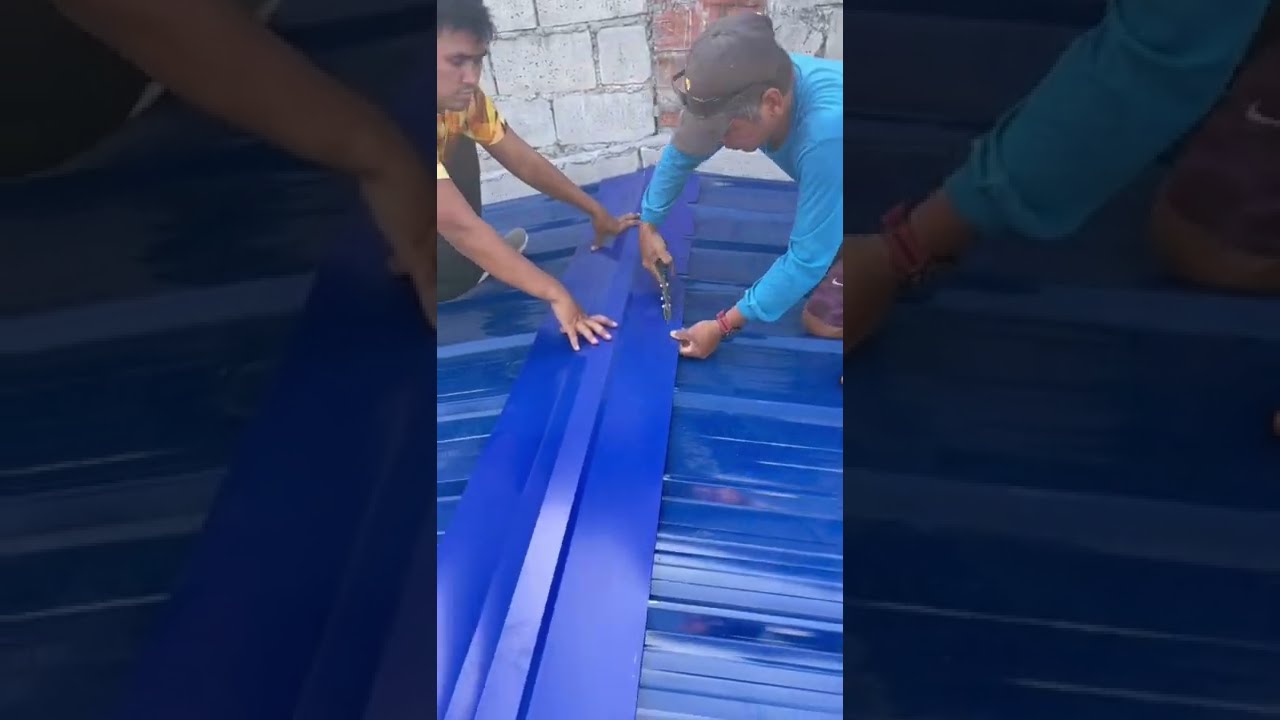
- Asphalt shingles: Most cost-effective; modern shingles offer good wind resistance. Pros include easy installation and a broad color palette. Cons include shorter lifespan relative to metal and some environmental concerns if not recycled. Metal roofing: Excellent for longevity and energy efficiency; light-weight and highly durable. Pros include wind resistance and low maintenance. Cons include higher upfront cost and potential noise in heavy rain if not properly insulated. Clay or concrete tiles: Great for longevity and heat resistance; distinctive aesthetics. Pros include strong wind performance and fire resistance. Cons include heavier weight and higher installation complexity. Synthetic and composite shingles: Improve impact resistance and longevity; can mimic wood or slate. Pros include durability and versatility. Cons include varying quality across brands and sometimes higher upfront costs. Green roofs and energy-efficient layers: Increasing popularity for sustainability-minded projects. Pros include improved insulation and biodiversity. Cons include higher maintenance and specialized installation.
Codes and standards are a moving target. Glendale projects must comply with local building codes, wind uplift requirements, flashing standards, and energy efficiency rules. Working with a contractor who keeps up with code changes reduces the risk of retrofit headaches and ensures proper permits and inspections.
Cost Transparency and Scheduling
A recurring concern for homeowners is price transparency. Here’s how I approach it to keep surprises minimal:
- Detailed estimates: Every line item—from underlayment to flashing, fasteners, and waste disposal—appears with unit costs and quantities. I provide an objective cost breakdown that you can review line by line. Contingency planning: We include a reasonable contingency for weather delays or decking repairs, clearly explained to avoid sticker shock later. Scheduling visuals: A simple Gantt-style timeline shows lead times for materials, permit processing, and the actual installation window. Payment milestones: I favor milestone-based payments aligned with project phases. This approach maintains accountability without tying up funds prematurely. Communication cadence: We set check-ins at key milestones and provide a project plan PDF you can share with homeowners’ associations or insurance adjusters if needed. Warranty clarity: The warranty structure is spelled out—material warranty, workmanship warranty, and coverage for leaks or failures. Clients leave with a written summary of coverage.
In practice, transparent pricing and predictable scheduling reduce friction and build trust. A good contractor doesn’t just tell you what it costs; they explain why the costs are warranted and how they translate into long-term value.
Frequently Asked Questions
1) What is the typical lifespan of a Glendale roof?
Most asphalt shingle roofs last 15 to 30 years, depending on climate, maintenance, and shingle quality. Metal roofs can exceed 40 years with proper care. Regular inspections help catch issues early and extend service life.
2) How long does a roof replacement usually take?
A typical residential replacement spans 1 to 3 days, depending on roof size, complexity, weather, and debris management. Large or multi-story homes can take longer. I always provide a precise schedule with weather contingencies.
3) Do I need a permit for a roof replacement in Glendale?
Yes. Most roof replacements require permits and inspections. The process varies by project size and scope, but a qualified contractor handles it and coordinates the inspection schedule with you.
4) How do I choose between asphalt and metal roofing?
Consider budget, climate, aesthetics, and Business long-term goals. Asphalt is cost-effective with decent wind resistance; metal offers longevity and energy efficiency but comes at a higher upfront price. I help homeowners balance upfront costs with long-term value.
5) What should I watch for in a free roofing estimate?
Be wary of estimates that lack detail, omit waste disposal costs, or promise unrealistically low prices. A good estimate includes quantities, materials, labor, permits, cleanup, and a clear warranty outline.
6) How can I maximize energy efficiency with my new roof?
Select energy-efficient underlayment, consider radiant barrier insulation, and choose reflective or light-colored shingles to reduce heat absorption. Proper attic ventilation also plays a big role in maintaining comfortable indoor temperatures.

7) What kind of maintenance does a new roof require?
Routine inspections after severe weather, cleaning debris from gutters and vents, and addressing minor issues early help extend the roof’s life. investigate this site I provide homeowners with a maintenance checklist tailored to their roof type and climate.
Conclusion
The Glendale roofing landscape is dynamic, shaped by climate, materials, and the people who stand behind every project. The most successful outcomes come from a clear plan, transparent pricing, and a partner who treats your home as if it were their own. When you’re evaluating contractors, look for a track record of reliable workmanship, a thorough pre-installation assessment, and a willingness to share case studies and references. My approach blends rigorous inspection, thoughtful material selection, and a collaborative schedule that respects your family’s routine.
If you’re considering a roof upgrade, I invite you to start with a no-pressure discovery call. We’ll review your goals, inspect your roof, and discuss options that fit your budget and timeline. The goal isn’t to upsell you on the latest trend but to deliver a roof that performs, protects, and looks great for years to come. With the right plan, Glendale homeowners can enjoy a roof that stands up to wind, rain, and sun while keeping energy costs in check and curb appeal high.
Practical Tools and Resources
- Checklists for initial inspections Material comparison worksheets A sample project timeline A glossary of common terms used in Glendale roofing projects
These resources help you engage confidently with contractors and ensure you’re comparing apples to apples. If you’d like, I can tailor these tools to your specific home or project and walk you through how to use them step by step.
Final Thoughts
Glendale’s roof market rewards informed buyers who ask the right questions, demand thorough documentation, and insist on high standards of workmanship. By focusing on the fundamentals—condition assessment, material suitability, reliable installation, and transparent communication—you reduce risk and increase the likelihood of a roof that protects your home for decades. Whether you’re replacing an aging roof or installing a brand-new system, the most valuable asset you gain is confidence: knowing you’ve chosen a partner who will stand by their work long after the last shingle has been set.